
For homeowners
Snow melting for the parts of your home you use every day
Driveways, walkways, entrances, steps and patios: heat only the places where snow and ice cause the most trouble, and let a sensor decide when the system runs.
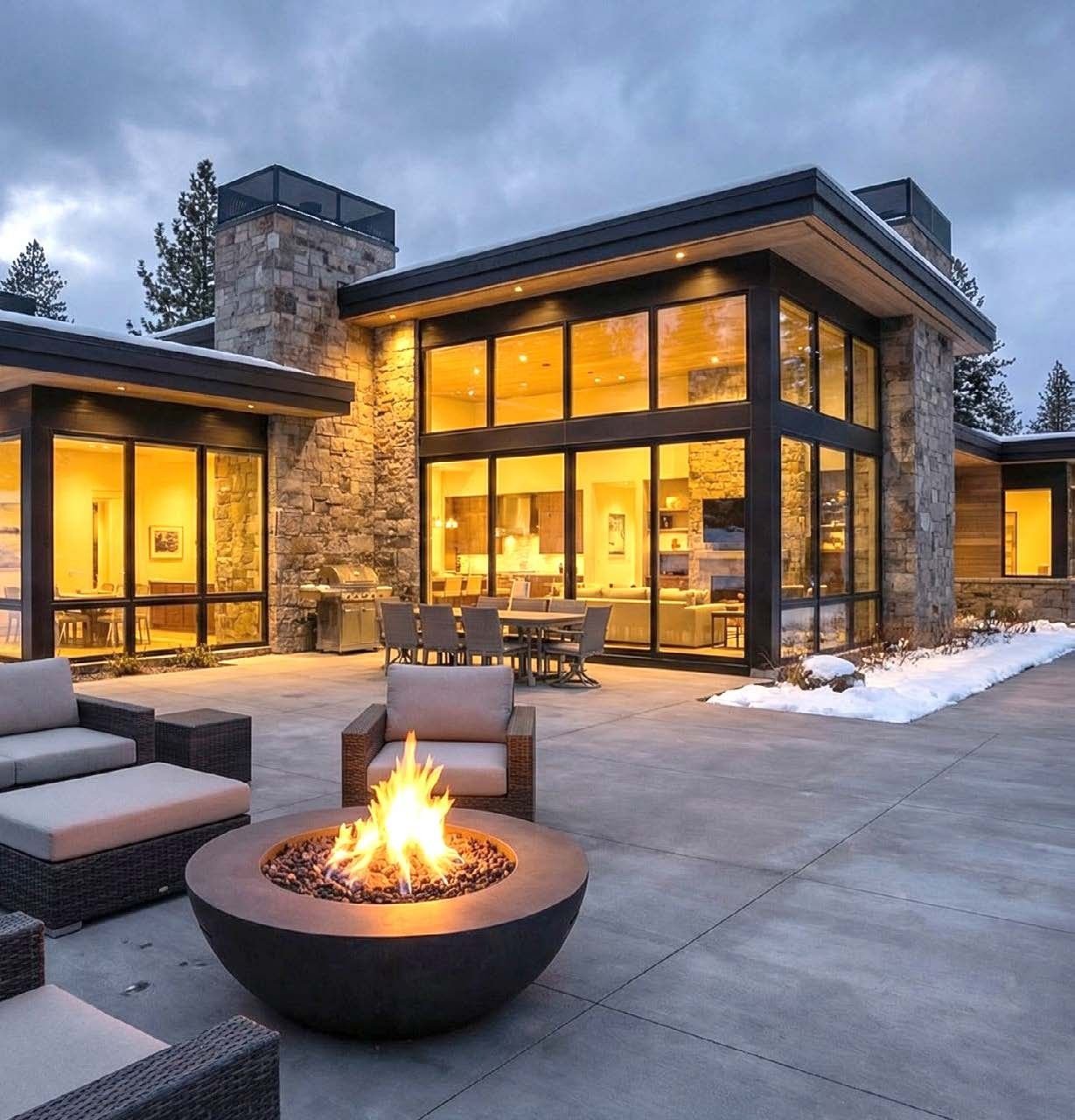
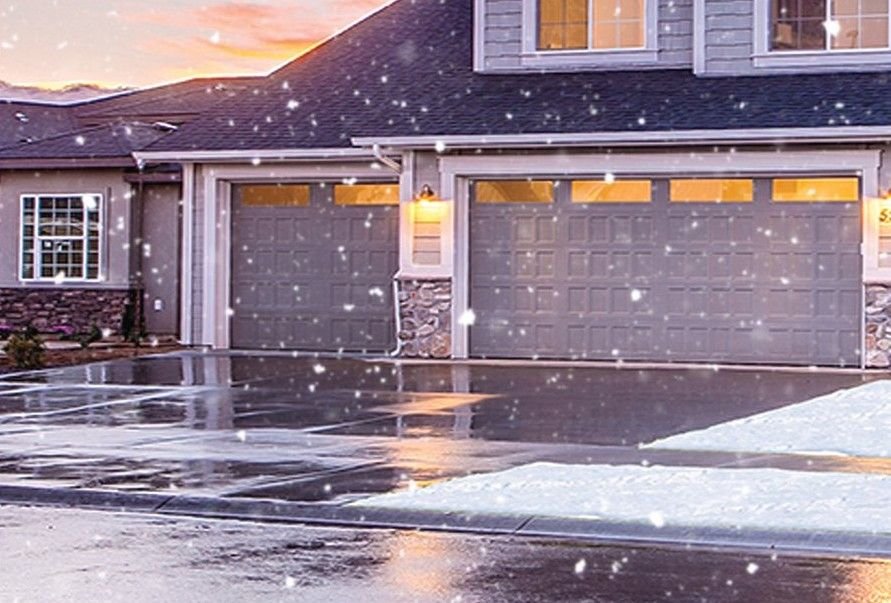
Driveways
The largest heated surface at most homes. Heat the whole driveway, only the tire tracks, or just the garage apron and the end at the street.
- Full coverage, tire tracks, entrance and apron, or targeted areas
- Installed in asphalt, concrete or beneath pavers
- Electrical supply planned with the design
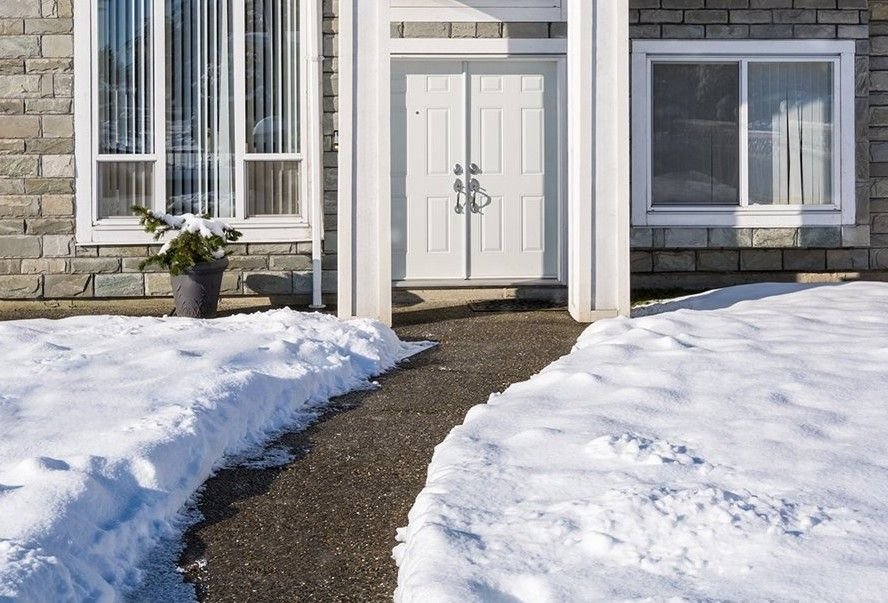
Walkways and entrances
A clear path from the driveway to the front door is often the first place people want snow melting. Heating the walkway and landing keeps the route to the door clear.
- Straight runs suit heating mats; curves suit heating cable
- Can be added to a new or replacement walkway
- Often planned together with the driveway
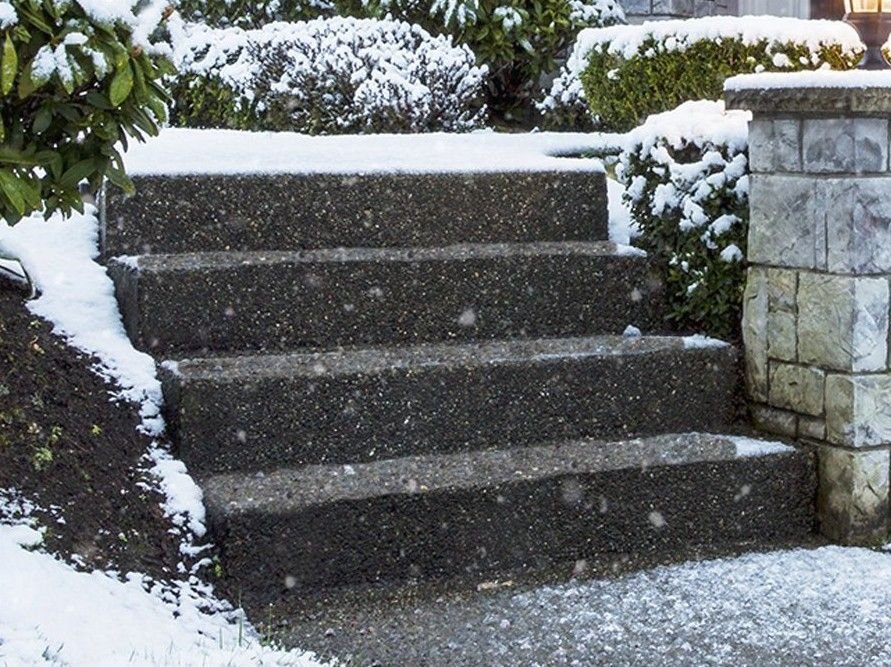
Steps
Steps are shaped areas, so they are usually heated with cable. The design covers the treads, and the layout is set to the manufacturer’s installation instructions.
- Heating cable is suited to stairways and irregular shapes
- Layout and electrical requirements specified in your design
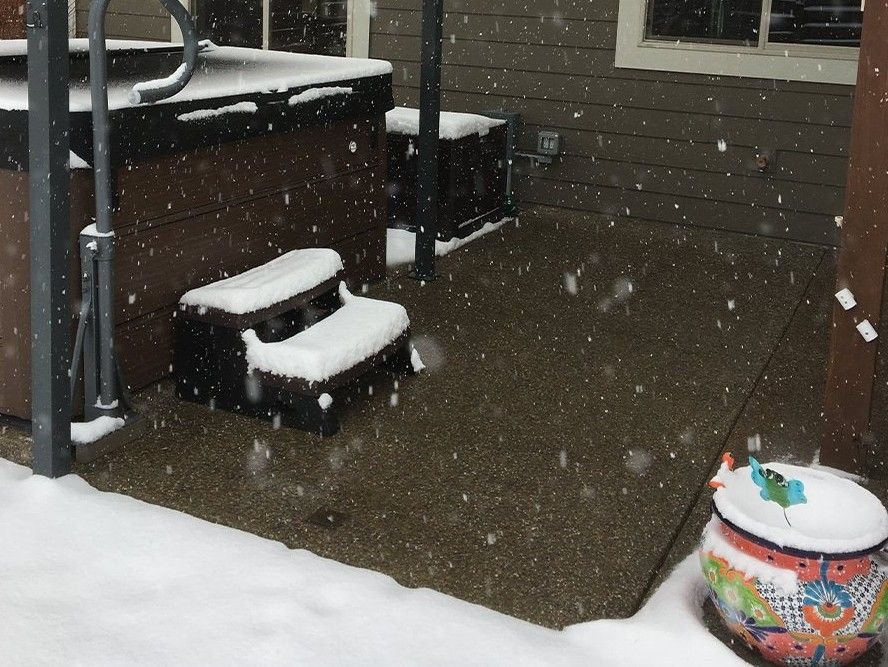
Patios and outdoor living spaces
A patio, hot tub landing or covered outdoor space can be heated the same way, so the area stays usable when snow falls around it.
- Suited to mats on open areas and cable at edges and shapes
- Installed within the patio surface
Planning a residential project
Four things shape almost every home project.
Which areas
List the places snow and ice cause the most trouble. Your design can cover all of them or start with the most important.
Which surface
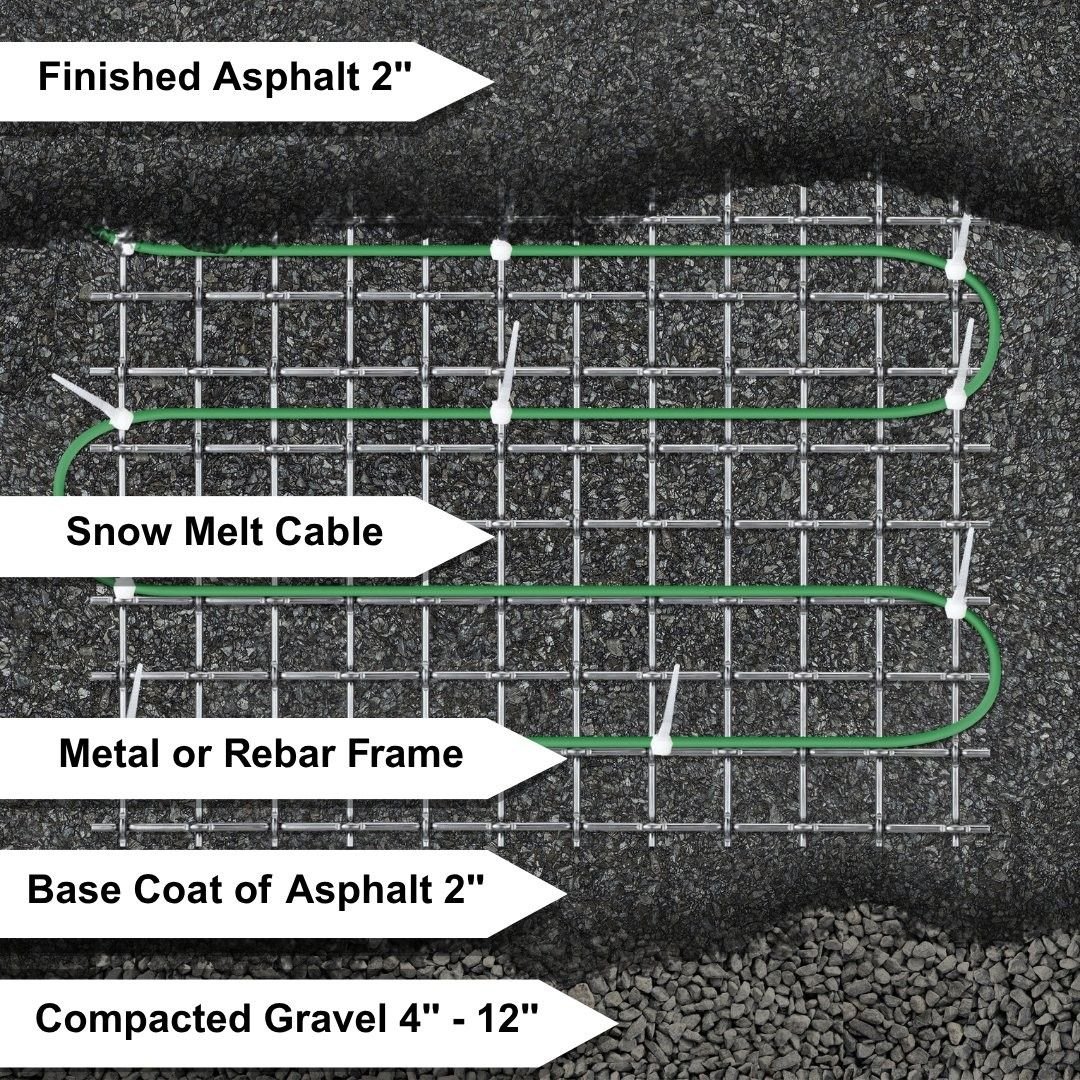
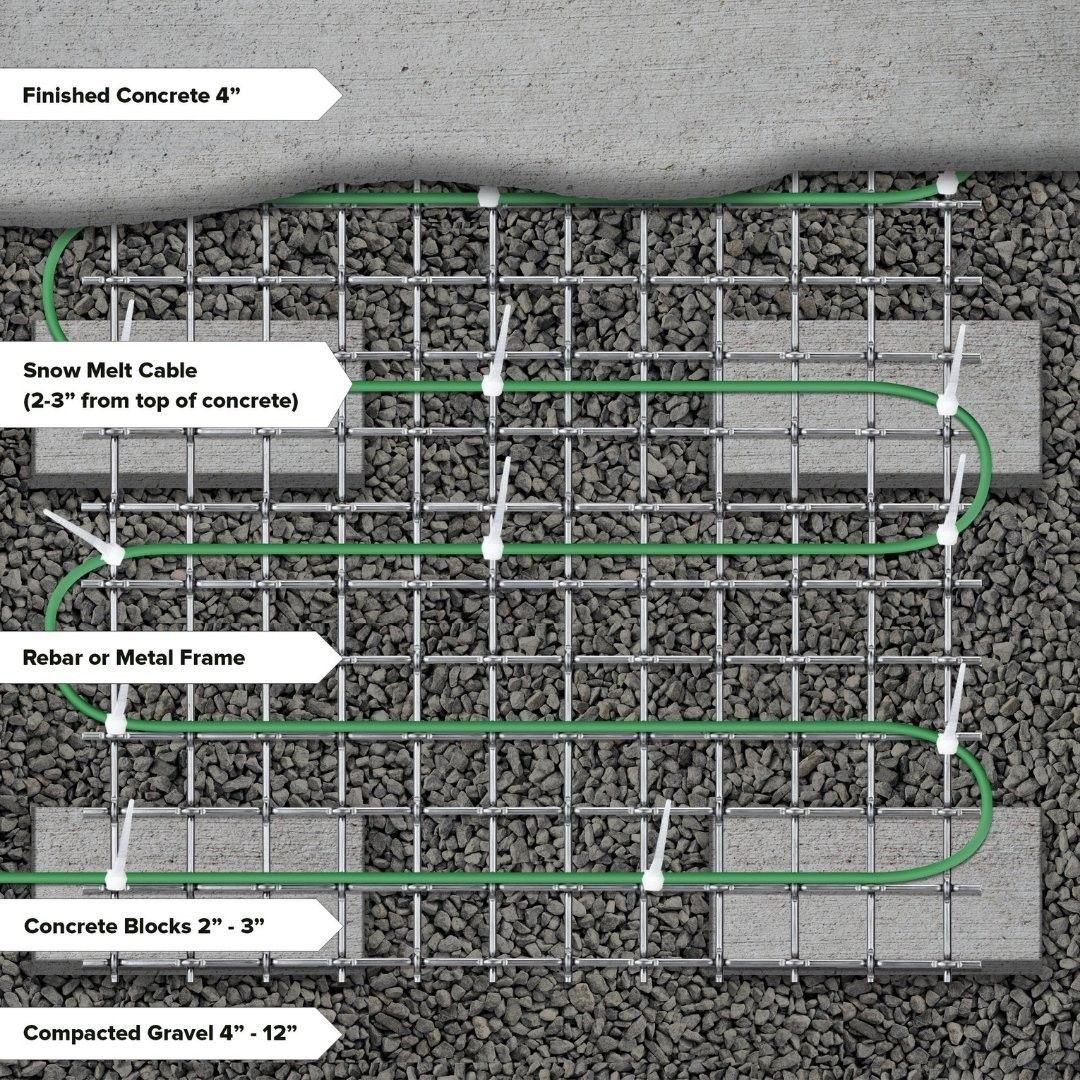
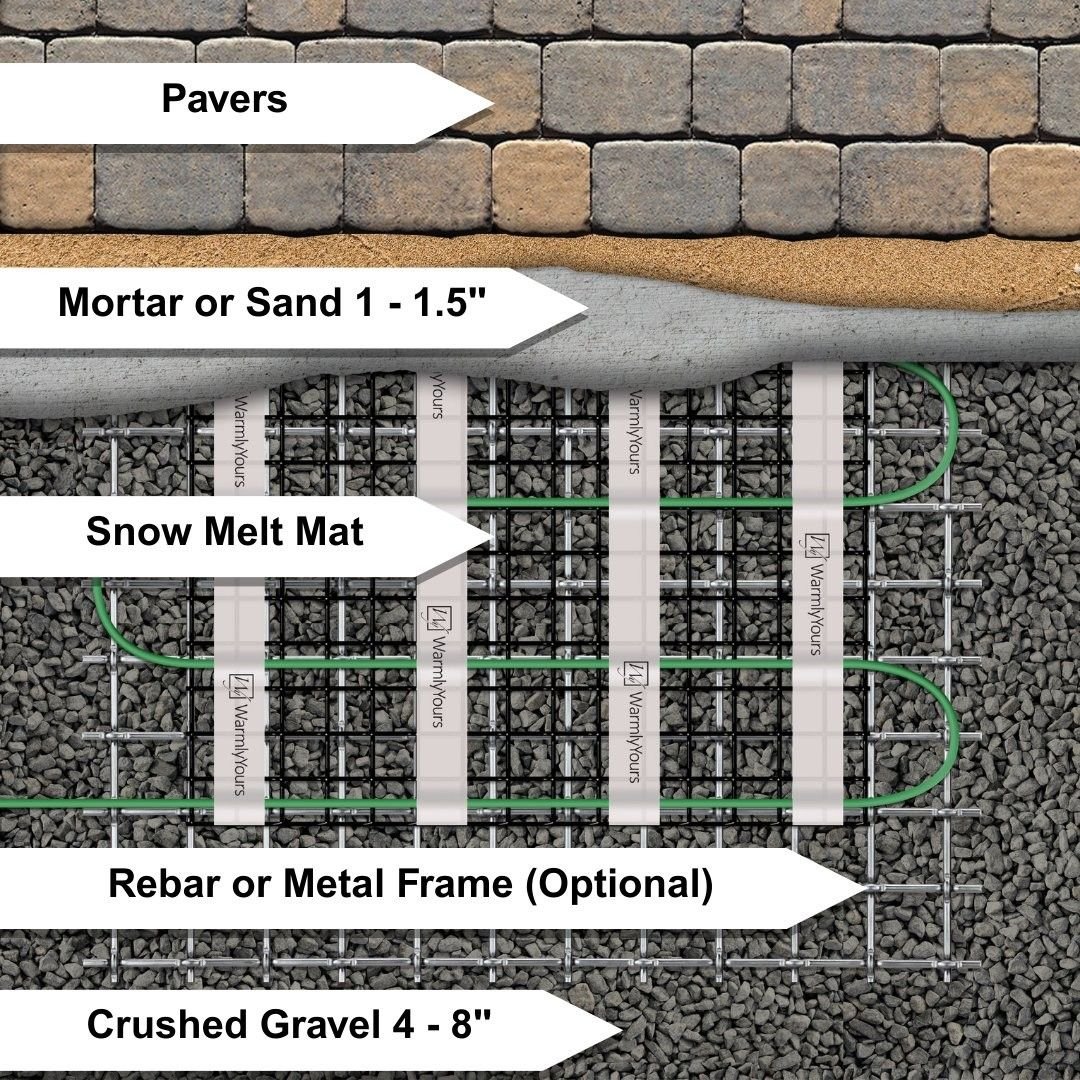
Asphalt, concrete or pavers. Each is built differently, which shapes the layout and the installation method.
New build or existing
Snow melting goes in most simply with new or replacement surfaces, and may be possible on existing ones.
Power and controls
A qualified electrician connects the system. You choose between automatic sensing, a timer or a manual switch.
Choose by surface
The installation method depends on what you are heating.
Residential questions
Short answers to what homeowners ask most.
What parts of a home can have snow melting?
Driveways, front walkways and entrances, steps and patios are the usual places. The system can be laid out for open areas with mats or for shaped areas and stairways with heating cable.
Can I heat just my steps and walkway?
Yes. Snow melting does not have to cover the whole property. Many projects heat only the places where snow and ice cause the most trouble, and your design sizes the system to those areas.
Can steps be heated?
Yes. Heating cable is suited to stairways and irregular shapes. It is installed to the manufacturer’s instructions by qualified trades, and your design specifies the layout and the electrical requirements for the steps.
Will it work with the surface I already have?
Snow melting can be installed in asphalt, concrete and pavers or interlock. Whether it suits an existing surface depends on its condition and construction; an assessment confirms the options.
Do I need to be home for it to work?
Not with an automatic control. A sensor detects conditions and the controller switches the system on and off, so nobody has to be home.
Tell us about your home
Share the areas, the surface and a photo if you have one. We come back with a design and an estimate.